
Out of Town Classes
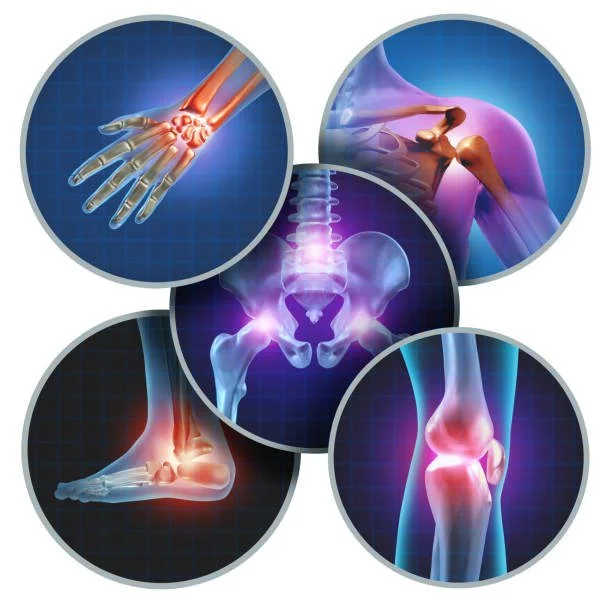
Treatment of Joints: Refined Techniques For Shiatsu Practitioners
TREATMENT OF JOINTS
Shiatsu Touches the Space That Frees Joints
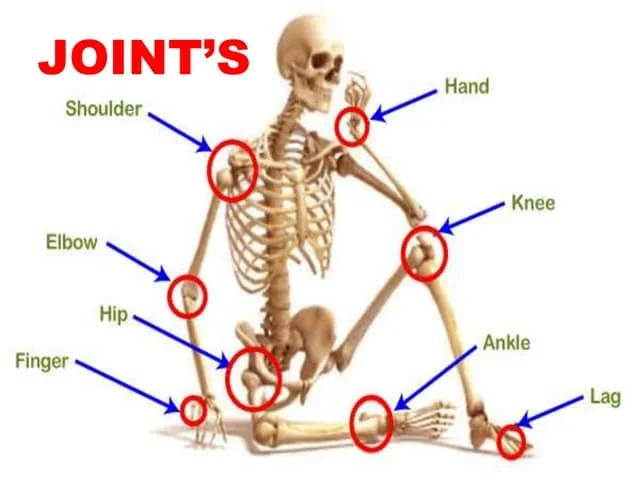
All joints function more comfortably when meridian energy flows freely through them.
Course Description
Designed for Shiatsu practitioners, graduates, and students, this weekend workshop emphasizes the continued development of touch—cultivating greater sensitivity, specificity, and clinical effectiveness in applying shiatsu to working with joints. You’ll learn to feel into the living space of the joint and work the meridians to support the natural capacity for easy, comfortable movement.
We typically think of joints in terms of their structures – the alignment of bones, the tone of surrounding muscles, the integrity of ligaments. These are, of course, essential parts of joints, but what ultimately defines a joint’s health is its ease of movement.
Movement depends on space. The space around the structures — the subtle, dynamic field between structures — is what allows freedom of movement.
So . . .
We shift our attention from structure to space. We develop the tactile sensitivity required to perceive and promote the optimal function of this often-overlooked dimension.
What Makes This Training Different
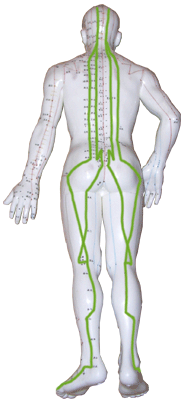
Meridians allow free movement in the joints
This workshop builds on foundational skills and takes them further.
Rather than focusing primarily on correcting structure and kyo/jitsu imbalances, this work brings attention to joint space, which is central to both physical movement and the ease and continuity of meridian flow. You’ll learn to feel how joint space and meridian flow influence one another—when one opens, the other responds.
The focus is on how to work with this relationship skillfully — adapting your touch moment-to-moment, refining your hand usage, and making clearer treatment decisions based on what you feel.
You’ll explore how small adjustments in perception and technique can create significant changes in outcomes. The emphasis is on allowing your work to become more responsive, precise, efficient, and integrated.
This is where technique becomes the art, heart and soul of shiatsu.
What We’ll Explore
Each day will include a blend of discussion, demonstration, and hands-on practice, including:
A concise review of joint anatomy and the meridians that traverse them
Demonstrations of effective techniques for those joint complaints most commonly expressed by clients: shoulders and hips, which includes the sacroiliac joint
Supervised practice with individualized guidance and support
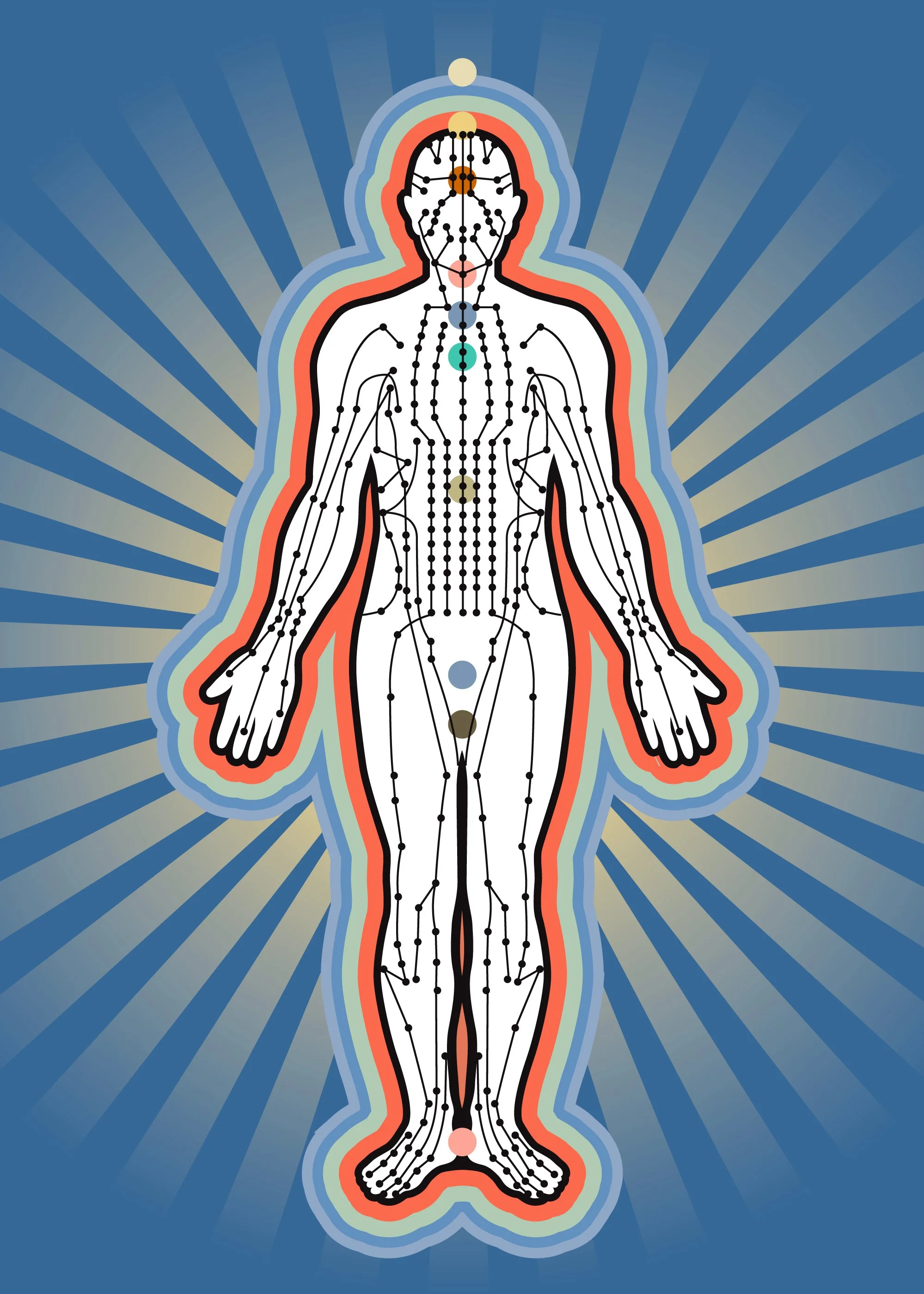
Treating meridians and joints in combination helps the light from within to radiate.
As the weekend unfolds, participants will learn to:
Perceive and assess space within the joint
Modify hand usage to conform to that space and support it
Select and implement appropriate treatment strategies, based on what you feel (as opposed to what you think you should do)
Introduce a pattern of freer flow and movement for meridians and joints
Catalyze and support the body’s natural healing response
Who This Workshop Is For
This training is especially well-suited for Shiatsu practitioners, graduates, and students who:
Want to take their technique to a greater level of sensitivity and precision
Are looking to improve clinical outcomes with less effort
Value a hands-on, experiential approach to learning
Participants should be comfortable giving a full-body Shiatsu session and have a working familiarity with:
The extended meridian system of Dr. Shizuto Masunaga
Range of motion techniques for hips and shoulders
Basic musculoskeletal anatomy
A detailed recall of anatomical terminology is not required— this work relies far more on what you can feel than what you can name. What matters most is your willingness to feel, explore, and refine your touch.
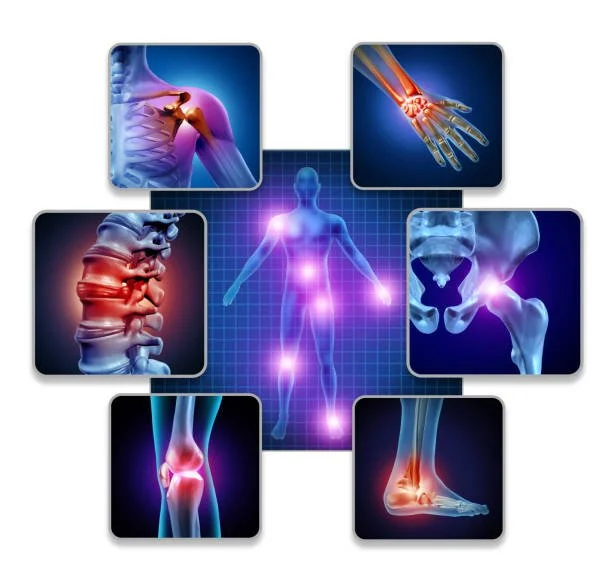
When you look through the physical structures into the spaces, energy lights up.
If you feel ready to deepen your sensitivity, refine your touch, and experience how joint space and meridian energy work together, you are warmly invited to join us for a focused and experiential weekend of hands-on exploration. Whether you’re looking to deepen your sensitivity or improve clinical outcomes, this training will give you practical tools you can use immediately — both to enhance your clients’ health and to conserve your own energy as you work.

A Treatment in Three Segment
A TREATMENT IN 3 SEGMENTS
Bringing focus, perception, and clarity to every session

Course Description
Do you ever wonder what to focus on most during a treatment? Or find your concentration drifting before the session is complete? You’re not alone. Even though effective treatment depends on our ability to remain present, perceptive, and intentional throughout, studies show that most people can only maintain focused attention for short periods of time.
In this weekend training, you’ll learn a simple, practical framework that divides the treatment into three key segments — Intake, Treatment, and Closing Conversation. Working with this structure helps you stay focused, make clearer decisions, and create treatments that feel organized, connected, and effective—from beginning to end.
The result is a treatment that feels more coherent, more connected, and more responsive to what is truly unfolding. Plus, you develop more confidence and continuity in your work, and gain a sense of ease and trust with your clients.
What Makes This Training Different
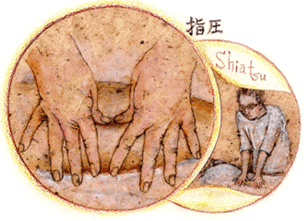
We use our hands and body to connect with our clients on a deeper level
This workshop builds on foundational skills and takes them further.
This training bridges structure and intuition. It combines a practical framework with refined assessment skills and gives you a clear system for navigating a session. You’ll learn how to extract the most relevant clinical information during the intake, maintain a clear treatment objective while adapting techniques, and evaluate results during the closing phase.
In addition, the training emphasizes practitioner self-regulation — ensuring that your own physical and energetic state supports clear decision-making and effective intervention.
What We’ll Explore

Being human is beyond words. And so is experiencing it through shiatsu !
Each phase of this three-segment approach to treatment has a distinct purpose. You will learn how to:
· Perform a simple 3-part treatment arc: Intake; Treatment; Closing Conversation
· Identify and prioritize the most relevant information during the intake process
· Remain on track and stay connected to a central intention as you adapt your techniques
· Address the three essential needs of the client: to feel understood; to trust results; and to sense ongoing support
· Close the session in a way that integrates change, strengthens trust, and encourages client participation
Who This Workshop Is For

This workshop is ideal for Shiatsu practitioners and students who want to feel more focused, confident, and effective in their treatments.
It is especially helpful if you sometimes feel scattered, unsure of what to prioritize, or challenged in maintaining continuity from beginning to end. If you are a more experienced practitioner who wants to refine your work, this training offers a practical way to bring greater clarity, continuity, and presence to your sessions.
By organizing the treatment into a simple, coherent structure, you can remain focused while responding naturally to what arises. The result is a more connected and deeply felt experience for both practitioner and client.
You are warmly invited to join us. We look forward to working with you.
Advanced Joint Techniques For Zen Shiatsu Practitioners
Advanced Joint Techniques
For Zen Shiatsu Practitioners
Course Description
When you look at Dr. Masunaga’s meridian chart, one of the first things you notice is how different it is from traditional acupuncture charts. In addition to the extended meridian pathways, there are fewer points along the meridians, compared to the approximately 720 points (if you count both sides of the body) shown on classical charts.
If you take a closer look, you discover something even more interesting: Dr. Masunaga clustered several traditional points around joint areas. His reasoning reflects an important clinical principle: the flow of meridian energy tends to get congested at joints, making them key gateways for restoring harmony and movement in the body.
Joint structures are complex. They ask us to be constantly aware of every nuance within each movement – the coordination among bones, ligaments, muscles, nerves and meridians. For the Zen Shiatsu practitioner, tuning-in with our hands and all our senses is the key to perceiving feedback from our client’s body and applying an appropriate and effective treatment.
Joint congestion commonly presents as limited range of motion, stiffness, achiness, pain, or some combination of these symptoms. As Zen Shiatsu practitioners, we want to focus on encouraging more joint space for those cases, so that meridian energy can flow freely and remove or reduce the symptoms.
However, not all joint discomfort arises for restriction. In some cases, the cause comes from a less typical condition: hypermobility. In this case, in addition to the symptoms above, the client experiences a certain unsteadiness or instability in movement. It feels worrisome, that there could be danger in terms of possible injury. In this situation, the task of the Zen Shiatsu practitioner is to perceive what the body needs to restorestructural integrity while preserving freedom of movement.
Understanding the difference between these conditions is essential. Creating more joint space for clients with reduced mobility results in more ease and freedom of movement, and significantly reduces symptoms of discomfort. But, adding space to hypermobile joints has the opposite effect: it increases the pain (often for days or weeks), and can also intensify the fear of injury. Our purpose is to support the body’s cellular intelligence for reorganizing and healing itself. When we apply the correct approach, clients experience greater ease of movement, improved stability, and significant reduction in discomfort.
What Makes This Training Different

Many bodywork approaches treat joint discomfort as a problem of restriction that simply requires creating more freedom of movement. But in practice, we find that some joints suffer from the opposite condition — excess mobility and instability.
This workshop teaches practitioners how to recognize the difference through refined touch and meridian awareness. Learning when to expand joint space and when to support joint integrity can dramatically improve treatment outcomes and client comfort.
What We’ll Explore
In this 2½-hr workshop, we will do a deep dive into:
· Developing clairtangency —refining psychic/intuitive touch that allows you to feel what’s happening within a joint
· Distinguishing between congested joints and hypermobile joints —recognizing the difference between restriction and hypermobility
· Applying appropriate treatment strategies — choosing correct techniques for both conditions of restricted and unstable joints
· Determining the correct depth and duration of treatment — gauging the appropriate treatment so that the client’s body can respond without aggravating the condition
Attendees will come away with a greater comprehension of joint integrity and function, heightened awareness of what they feel under their hands, and a better grasp and insight as to the appropriate treatment to administer,
Who This Workshop Is For

This workshop is especially valuable for practitioners who:
· Want to sharpen their tactile sensitivity and develop deeper clairtangency
· Work regularly with clients experiencing joint stiffness, pain, or limited mobility
· Would like greater confidence in distinguishing restriction from hypermobility
· Are ready to refine their Zen Shiatsu skills with more precise and effective joint techniques
When you can accurately read what is truly needed—more space or more stability—your treatments become far more effective. Subtle changes in how we work with joints can make a profound difference in client outcomes. This workshop offers practical skills you can immediately integrate into your practice one of the first things . If you’re ready to refine your touch and deepen your understanding of joint dynamics in Zen Shiatsu, we invite you to join us.
The material presented in this workshop reflects many years of hands-on clinical experience and ongoing exploration of meridian dynamics within the Zen Shiatsu tradition.
Questions?
Contact Grandmother for more information.